


Understanding the psychology behind casino players' decision-making processes
The Influence of Emotions on Decision-Making
Emotions play a significant role in how casino players make decisions. Many players enter casinos seeking excitement and pleasure, which can cloud their judgment. The thrill of a potential win often leads to impulsive choices, as players may chase losses or feel invincible after a series of wins. Understanding this emotional rollercoaster is crucial for grasping the psychology behind gambling behavior. For expert insights on safe gaming experiences, visit hughmacfilm.co.nz, where you’ll find useful resources.
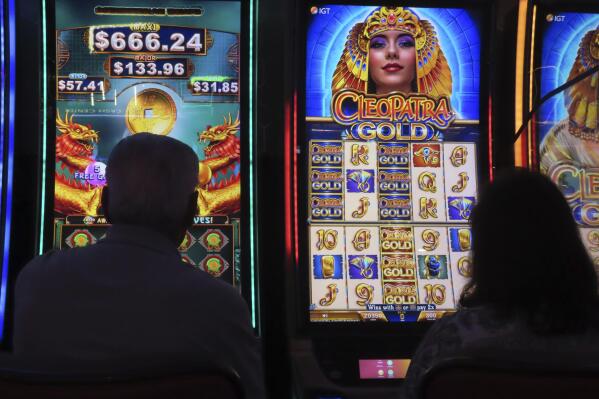
The interplay between excitement and anxiety can affect risk tolerance, leading players to either take larger bets or play more conservatively. Emotional responses can also create cognitive biases, such as the illusion of control, where players believe they can influence outcomes based on previous experiences. This emotional engagement is a powerful driver in the decision-making process at casinos.
The Role of Cognitive Biases
Cognitive biases significantly shape the decisions made by casino players. One of the most common biases is the “gambler’s fallacy,” which leads individuals to believe that past events can influence future outcomes in games of chance. For example, a player may think that after a series of losses, a win is due, prompting them to continue gambling despite mounting losses.
Another important bias is confirmation bias, where players only pay attention to information that supports their beliefs while ignoring evidence that contradicts them. This can lead to irrational decisions, as players may downplay their losses while focusing on their wins. Recognizing these biases can provide insights into why players act against their best financial interests.
The Impact of Social Influences
Social factors heavily influence the decision-making processes of casino players. Peer pressure can lead individuals to gamble more than they normally would, as they seek acceptance or validation from their social circles. This phenomenon is particularly evident in group settings, where the collective excitement can spur riskier bets and impulsive actions.
Moreover, celebrity gamblers and influencers can shape public perception of gambling, often glamorizing high-stakes play. Players may mimic the behavior of these celebrities, believing that they too can achieve similar success. This social endorsement can create an environment where reckless decisions become normalized, further complicating the decision-making landscape for individual players.
The Impact of Environment and Marketing
The casino environment is meticulously designed to enhance player engagement and influence decision-making. Elements such as lighting, sounds, and even the layout of games are strategically planned to create an immersive experience. This sensory stimulation can encourage players to gamble longer and spend more, often leading to decisions that prioritize immediate gratification over long-term consequences.
Additionally, marketing strategies employed by casinos play a pivotal role in shaping player behavior. Promotions, loyalty programs, and bonuses are crafted to entice players into making decisions that may not be in their best interests. The allure of “free” money or perks can distort rational thinking, pushing players to gamble more frequently or with higher stakes than they would otherwise consider.

Enhancing Responsible Gambling Through Awareness
Understanding the psychological aspects of decision-making in casinos is essential for promoting responsible gambling. By recognizing the emotional triggers, cognitive biases, and social influences at play, players can develop better self-awareness regarding their gambling habits. This knowledge empowers individuals to make informed choices, ultimately contributing to a healthier gaming experience.
Websites dedicated to educating players about these psychological factors can play a crucial role in fostering responsible gambling. By offering insights and resources, such platforms encourage players to reflect on their behaviors, set limits, and engage in safer gambling practices. Ultimately, informed players are better equipped to navigate the complexities of casino gaming while enjoying the experience responsibly.